
Solar Panel Pricing in Haiti: A Guide
- Olivier Pasquet
- Jan 13
- 4 min read
In recent years, the pursuit of sustainable energy solutions has become a vital priority for many communities worldwide. Haiti, with its abundant sunlight and growing energy needs, stands at the threshold of a transformative opportunity. Solar energy offers a promising path toward reliable, affordable, and environmentally friendly power. Understanding the financial aspects of adopting solar technology is essential for households, businesses, and communities eager to embrace this change. This guide aims to provide a comprehensive overview of solar panel pricing in Haiti, shedding light on costs, benefits, and practical considerations.
Understanding Solar Panel Pricing in Haiti
The pricing of solar panels in Haiti is influenced by several factors, including the quality of equipment, installation complexity, and the scale of the system. Typically, solar panel systems are priced based on their capacity, measured in kilowatts (kW). For example, a small residential system might range from 1 kW to 5 kW, while larger commercial installations can exceed 10 kW.
When considering solar panel pricing in Haiti, it is important to account for the following components:
Solar panels: The core units that convert sunlight into electricity.
Inverters: Devices that convert the direct current (DC) produced by panels into alternating current (AC) usable by homes and businesses.
Mounting hardware: Structures that secure panels to rooftops or the ground.
Batteries: Optional but increasingly common for energy storage, especially in areas with unreliable grid access.
Installation labor: Skilled technicians who ensure proper setup and safety compliance.
Prices can vary widely depending on the brand and technology. For instance, monocrystalline panels tend to be more efficient and slightly more expensive than polycrystalline alternatives. Additionally, the availability of local suppliers and import tariffs can affect final costs.

The Financial Benefits of Solar Energy Adoption
Investing in solar energy is not merely a matter of upfront costs; it is a strategic decision that yields long-term financial and environmental rewards. Solar power systems reduce or eliminate electricity bills, providing significant savings over time. In Haiti, where electricity prices can be volatile and access inconsistent, solar energy offers a stable and predictable source of power.
Moreover, solar installations can increase property values and attract environmentally conscious customers for businesses. The reduction in reliance on fossil fuels also contributes to cleaner air and a healthier environment, aligning with global efforts to combat climate change.
To maximize financial benefits, it is advisable to:
Assess energy needs accurately: Tailor the system size to actual consumption to avoid overspending.
Explore financing options: Many organizations and financial institutions offer loans or leasing plans designed for solar projects.
Consider government incentives: While Haiti’s solar incentives are still developing, staying informed about any subsidies or tax breaks can reduce costs.
Plan for maintenance: Regular upkeep ensures optimal performance and longevity.
Does Haiti Have Solar Panels?
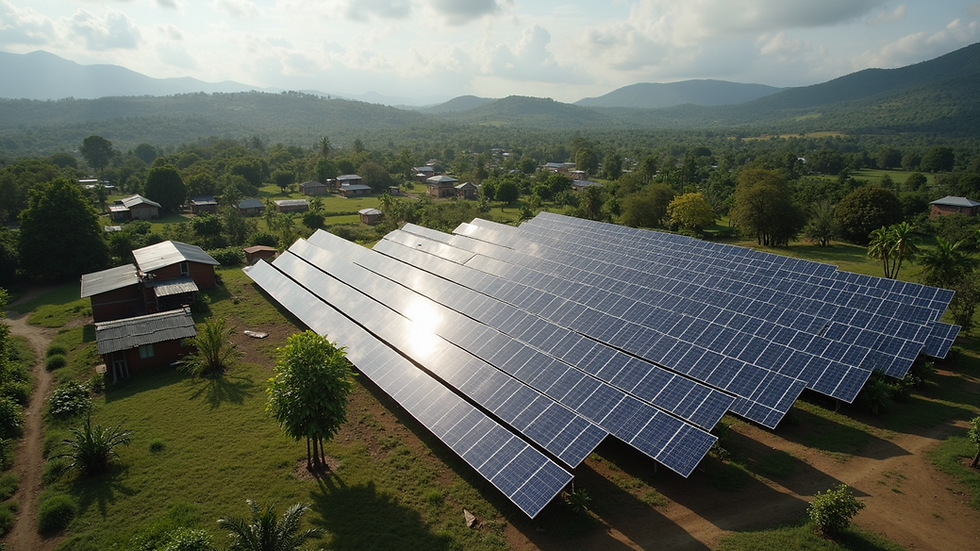
Indeed, Haiti has made significant strides in adopting solar technology. Various communities and businesses have embraced solar panels as a reliable alternative to traditional energy sources. The country’s abundant sunlight, averaging over 300 days of sun annually, makes it an ideal candidate for solar power.
Several local companies and international organizations have initiated projects to install solar systems in rural and urban areas alike. These efforts aim to address the challenges of frequent power outages and limited grid coverage. Solar panels have been deployed in schools, health clinics, and homes, providing essential services with uninterrupted electricity.
The growing presence of solar panels in Haiti reflects a collective commitment to sustainable development and energy independence. It also demonstrates the feasibility and effectiveness of solar solutions in the Haitian context.
Practical Considerations for Solar Panel Installation
Before embarking on a solar project, it is crucial to evaluate several practical aspects to ensure success and sustainability. These considerations include:
Site assessment: Evaluate the location for sunlight exposure, shading, and structural suitability.
System design: Customize the system to meet specific energy demands and future expansion plans.
Quality assurance: Choose reputable brands and certified installers to guarantee performance and safety.
Permitting and regulations: Understand local laws and obtain necessary permits to avoid legal complications.
Community engagement: Involve local stakeholders to foster acceptance and support.
By addressing these factors, one can avoid common pitfalls and optimize the return on investment. Additionally, training local technicians and promoting awareness can build capacity and create jobs within the community.
Empowering Haiti Through Solar Energy
The journey toward widespread solar adoption in Haiti is both inspiring and essential. By embracing solar technology, communities can overcome energy challenges, reduce environmental impact, and stimulate economic growth. The cost of solar panels in Haiti is becoming increasingly accessible, thanks to technological advancements and supportive initiatives.
Haiti Green Solutions envisions a future where every household and business enjoys the benefits of clean, reliable energy. Through collaboration, innovation, and dedication, this vision is within reach. Together, we can light up Haiti with sustainable power that empowers individuals and strengthens the nation.
Solar energy is not just an investment in infrastructure; it is an investment in hope, resilience, and progress. By taking informed steps today, we pave the way for a brighter tomorrow.


Comments